Get Block Foundation Installation
Block foundation installation services help property owners address foundation stability, repair issues, or new construction needs by connecting them with local contractors experienced in concrete and block work.
Property owners considering foundation work often explore various options to ensure their projects are completed safely and effectively. Installing block foundations is a common approach for those planning new constructions, additions, or repairs, as it provides a stable base that can support a variety of structures. Understanding the local landscape and soil conditions is essential when evaluating foundation solutions, making it helpful to compare services offered by nearby contractors who specialize in this work.
By exploring the services of local contractors, property owners can find experienced providers capable of handling block foundation installation with attention to quality and durability. Taking the time to review available options helps ensure that the chosen service provider aligns with the specific needs of the project, providing a solid foundation for future development. Keep reading to learn more about how local experts can assist with your foundation needs.
- Residential properties - homeowners may need block foundation installation when constructing or renovating a house.
- Commercial buildings - businesses requiring a stable base for new or existing commercial structures can find local contractors to handle foundation work.
- Basement waterproofing projects - property owners seeking to prevent water intrusion and foundation damage can connect with specialists for proper foundation setup.
- Retrofitting or foundation repair - existing structures needing reinforcement or repair can be supported by experienced local service providers.
- New construction developments - developers and builders can find contractors to lay foundational blocks for multi-unit or large-scale projects.
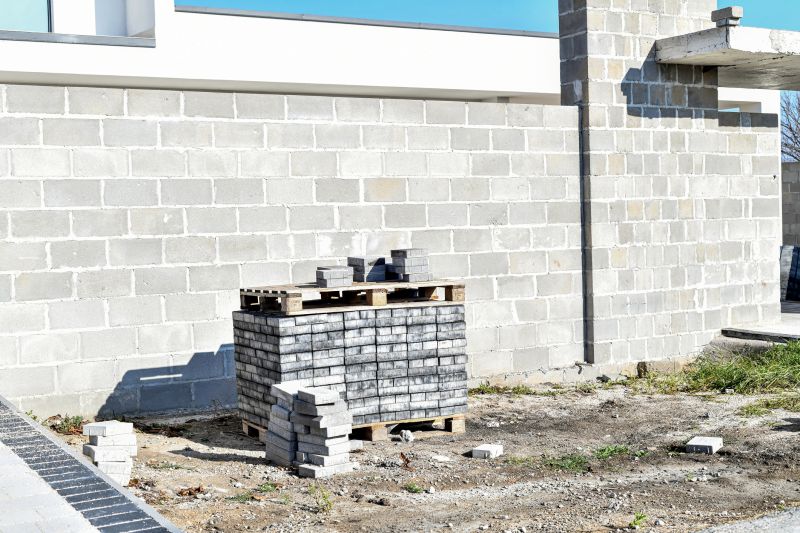
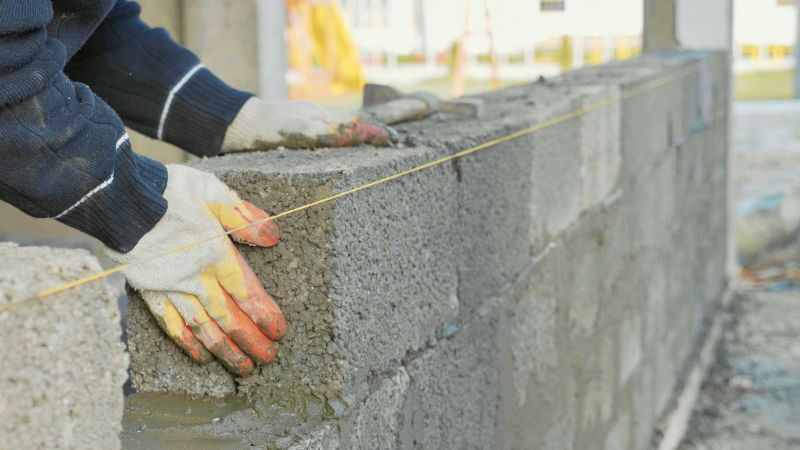
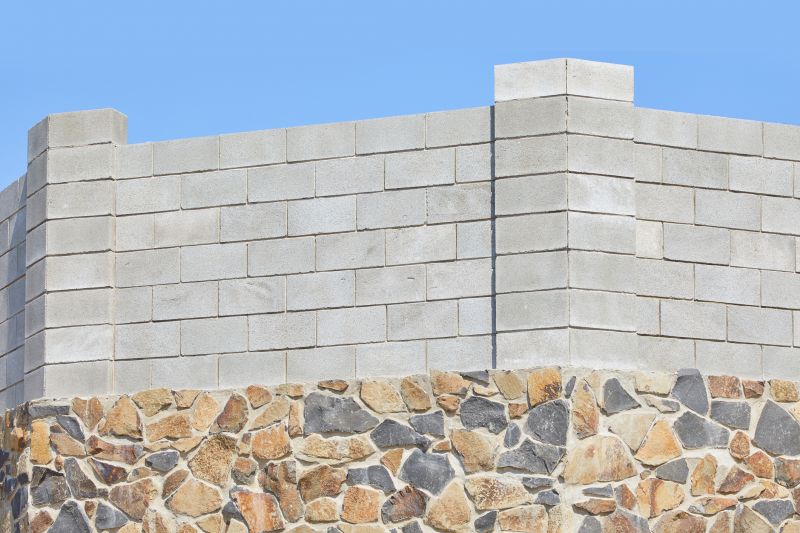
Block foundation installation is a process that involves placing concrete blocks or similar materials to create a stable base for a building or structure. This service typically includes preparing the site, laying the blocks in a precise pattern, and ensuring proper alignment and support. Proper foundation installation is essential for providing a solid base that can withstand the weight of the structure and resist shifting or settling over time. Local contractors experienced in foundation work can assess the specific needs of a property and deliver a foundation that meets safety and stability standards.
This service helps address common problems such as uneven settling, cracking walls, or shifting floors, which often stem from an inadequate or compromised foundation. When a property experiences signs of foundation distress, installing a new block foundation can provide a long-term solution. It is also useful for homes built on poor soil conditions or areas prone to moisture issues, where a reinforced foundation can help prevent future structural problems. By installing a durable block foundation, homeowners can improve the stability and longevity of their property.
Block foundation installation is suitable for a variety of property types, including residential homes, garages, basements, and small commercial buildings. It is often chosen for new construction projects or when existing foundations require reinforcement or replacement. Properties built on uneven terrain or with soil that shifts significantly benefit from this type of foundation work. Local service providers can evaluate the specific conditions of a property and recommend the appropriate foundation type to ensure structural integrity and support.
Homeowners who notice signs of foundation issues or are planning new construction may consider block foundation installation as a practical solution. This service helps create a solid base that can prevent future structural problems and support the ongoing safety of a property. Connecting with experienced local contractors can provide the expertise needed to assess the situation, recommend the best approach, and execute the installation efficiently. Proper foundation work is a key step in maintaining the stability and value of a property over time.
The overview below groups typical Block Foundation Installation projects into broad ranges so you can see how smaller, mid-sized, and larger jobs often compare in your area.
In many markets, a large share of routine jobs stays in the lower and middle ranges, while only a smaller percentage of projects moves into the highest bands when the work is more complex or site conditions are harder than average.
Smaller Repairs - Minor block foundation repairs typically cost between $250 and $600. Many routine jobs fall within this range, covering issues like small cracks or settling. Larger, more complex repairs can exceed this range but are less common.
Partial Replacement - Replacing a section of a foundation usually ranges from $2,000 to $5,000. Local contractors often handle projects in this bracket, though costs can vary based on the size and complexity of the area involved.
Full Foundation Replacement - Complete foundation replacements generally cost between $10,000 and $30,000. These larger projects are less frequent and depend on factors such as size, materials, and site conditions.
Major Structural Work - Extensive foundation work involving significant structural changes can reach $50,000 or more. Such projects are typically customized and can vary widely based on scope and complexity.
Actual totals will depend on details like access to the work area, the scope of the project, and the materials selected, so use these as general starting points rather than exact figures.
Concrete Pier Foundations - local contractors skilled in installing concrete piers share similar planning and excavation techniques used in block foundation setups.
Retaining Wall Construction - building retaining walls requires expertise in site assessment, soil stability, and precise placement, paralleling block foundation work.
Basement Wall Installation - installing basement walls involves excavation, formwork, and reinforcement, which are common skills in block foundation projects.
Land Grading and Site Preparation - preparing the site for construction involves leveling and soil management, foundational to proper block foundation installation.
Drainage System Installation - setting up drainage solutions requires understanding of soil and water flow, similar to foundation moisture management.
Piling and Deep Foundation Services - driving piles or installing deep foundations involves specialized equipment and planning akin to block foundation methods.

When evaluating contractors for block foundation installation, it’s important to consider their experience with similar projects. Homeowners should look for service providers who have a proven track record of handling foundation work comparable to the scope and complexity of the job at hand. Asking about previous projects, reviewing portfolios, or inquiring about how long a contractor has been performing foundation services can provide insight into their familiarity with the specific challenges that may arise. A contractor’s experience can often be a good indicator of their ability to deliver quality results and navigate potential issues effectively.
Clear, written expectations are essential when comparing local contractors for foundation work. Homeowners should seek detailed proposals that outline the scope of work, materials to be used, project milestones, and any warranties or guarantees offered. Having these expectations documented helps ensure everyone is aligned on the project’s objectives and reduces the likelihood of misunderstandings. It’s also beneficial to clarify the process for addressing changes or unforeseen issues that might come up during installation, fostering transparency and accountability throughout the project.
Reputable references and good communication are key factors in choosing a foundation installation service provider. Homeowners should ask for references from previous clients who had similar work done, and follow up to learn about their experiences with the contractor’s professionalism, timeliness, and quality of work. Additionally, a contractor’s ability to communicate clearly, respond promptly to questions, and provide updates can significantly impact the overall experience. Reliable communication helps ensure that the project stays on track and that any concerns are addressed promptly, making it easier to compare and select local service providers who are dependable and easy to work with.
Property owners use Block Foundation Installation services for practical projects around their homes and businesses. This guide focuses on everyday jobs and straightforward project options.
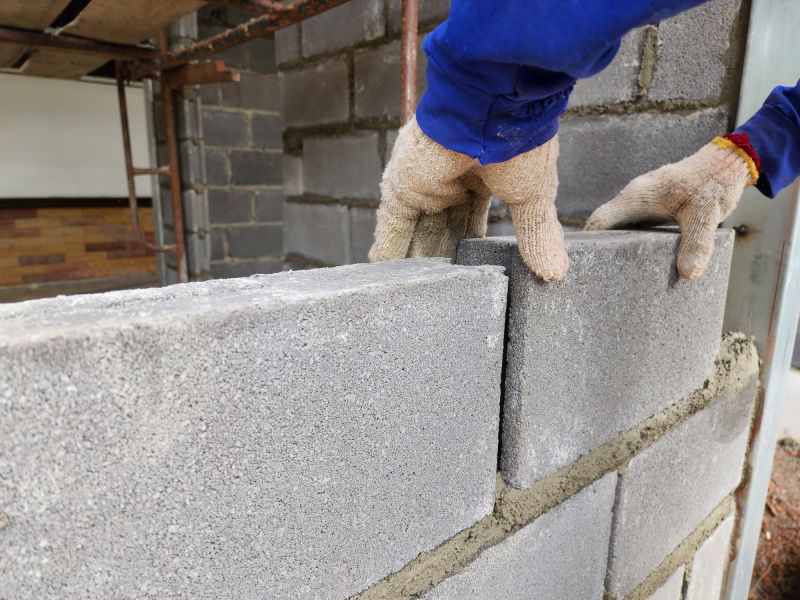
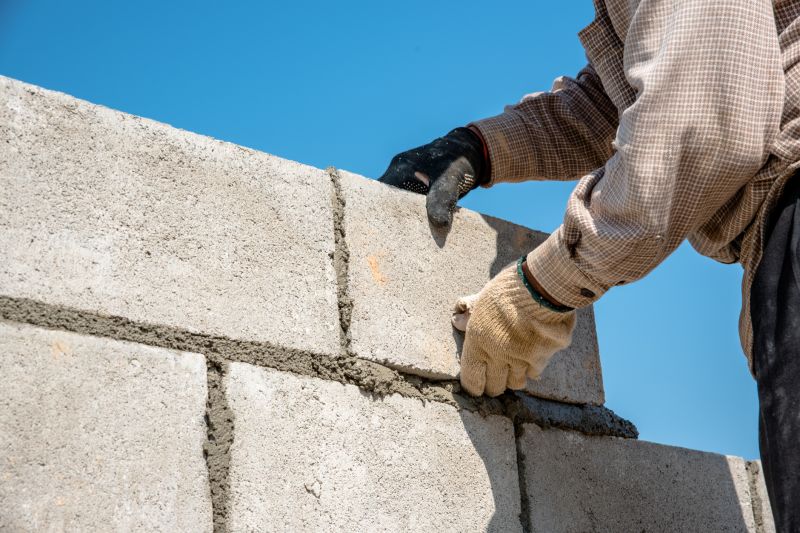
Block foundation installation services are often needed when property owners are planning new construction projects or adding extensions to existing structures. In some cases, homes or buildings settle unevenly over time, leading to cracks or instability that require professional foundation work. Local contractors can assess these issues and provide the necessary installation or reinforcement to ensure the stability and safety of the property.
Many property owners seek foundation services to resolve problems caused by shifting soil, poor initial construction, or weather-related factors. Whether preparing for a renovation, fixing existing foundation concerns, or ensuring a solid base for new structures, local service providers are equipped to handle a variety of foundation installation needs. Connecting with experienced local pros can help property owners address these common project situations efficiently.
What types of block foundations do local contractors install? Local service providers typically install various types of block foundations, including concrete block, cinder block, and CMU (concrete masonry unit) foundations, depending on project requirements.
How do local contractors prepare the site for block foundation installation? Site preparation generally involves clearing the area, leveling the ground, and ensuring proper drainage to provide a stable base for the foundation.
What materials are used in block foundation construction? Common materials include concrete blocks, mortar, reinforcement steel, and sometimes gravel or gravel backfill for added stability.
Are there specific building codes or regulations that local pros follow for block foundations? Yes, local contractors adhere to regional building codes and standards to ensure the foundation is structurally sound and compliant with safety requirements.
What maintenance is required for a block foundation installed by local service providers? Maintenance typically involves inspecting for cracks or moisture issues and keeping drainage systems clear to prevent water damage.
Foundation Stabilization - Property owners can improve the stability of existing foundations to prevent settling or shifting that may cause structural issues.
New Construction Support - When building additions or new structures, local contractors can install proper foundation supports to ensure long-term durability.
Basement Waterproofing - Installing foundation supports can help create a more stable basement environment and prevent water intrusion.
Deck or Porch Installation - Proper foundation setup ensures that decks and porches are securely anchored and level for safe use.
If you are thinking about Block Foundation Installation for a property, this guide is meant to help you understand the work, the typical project types, and how different options might fit your plans.
When you are ready, you can use the quote form on this page to share a few details about your project. From there, local pros can review the basics and respond with options that match what you have in mind.